
Frequently Asked Questions
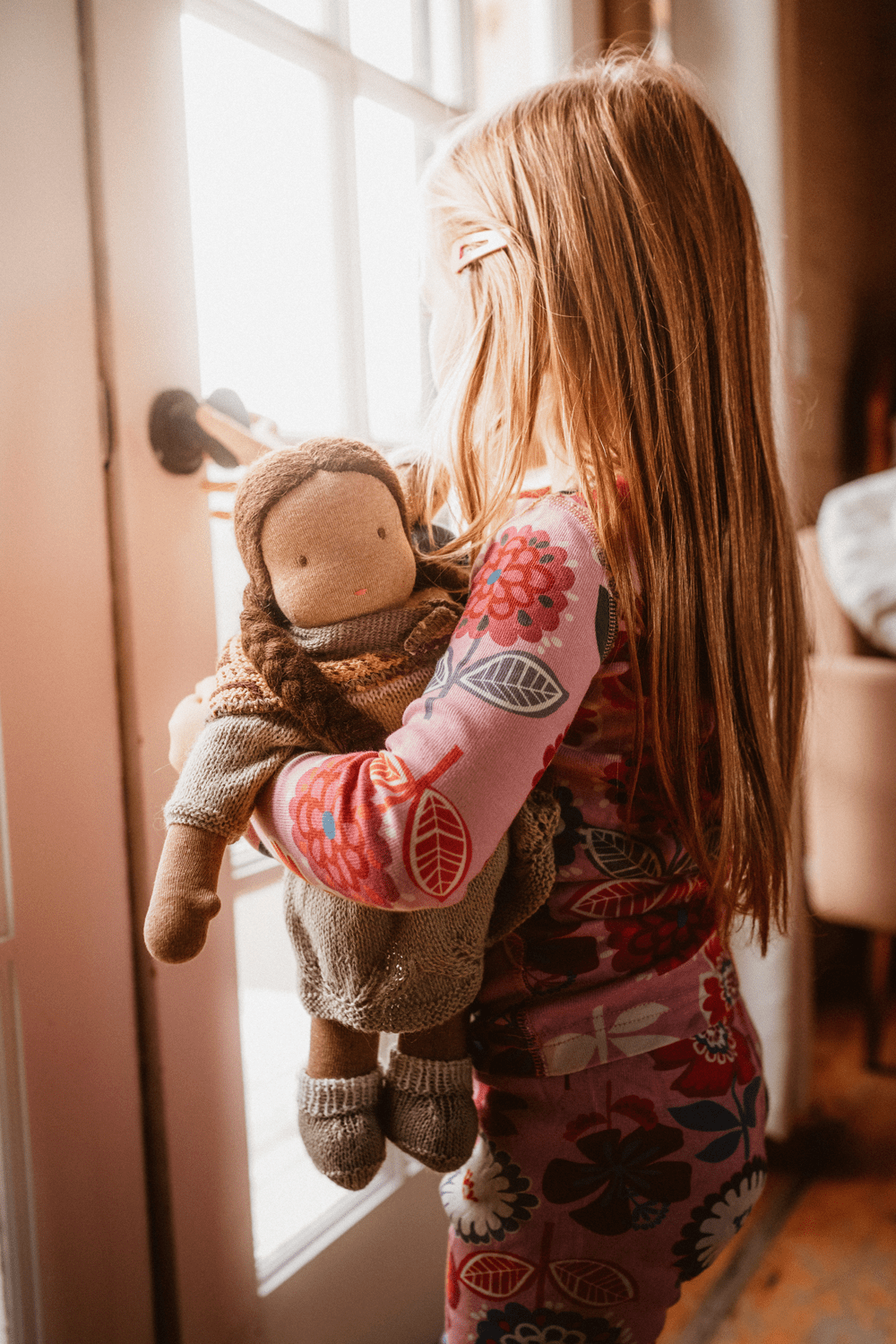
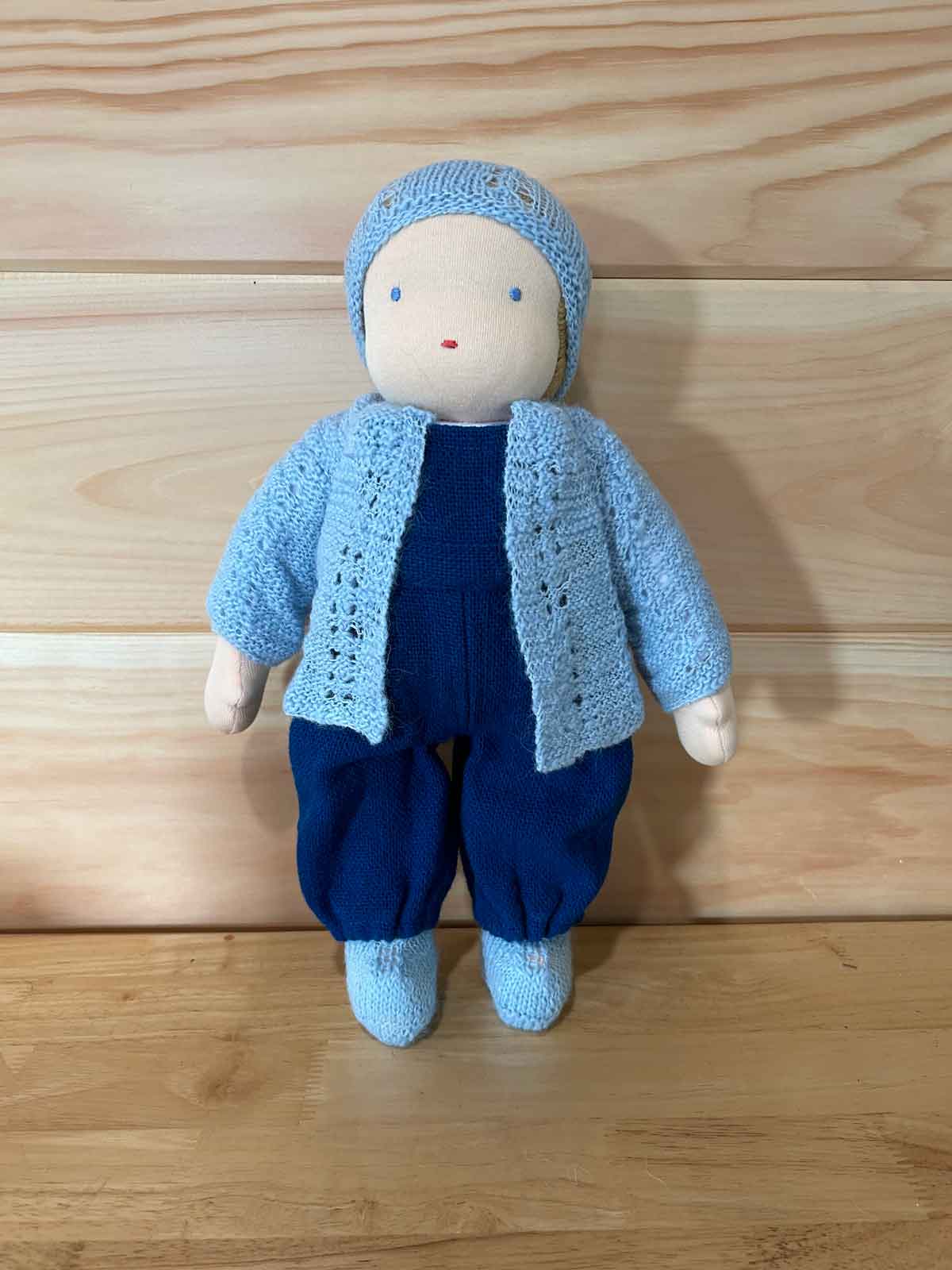
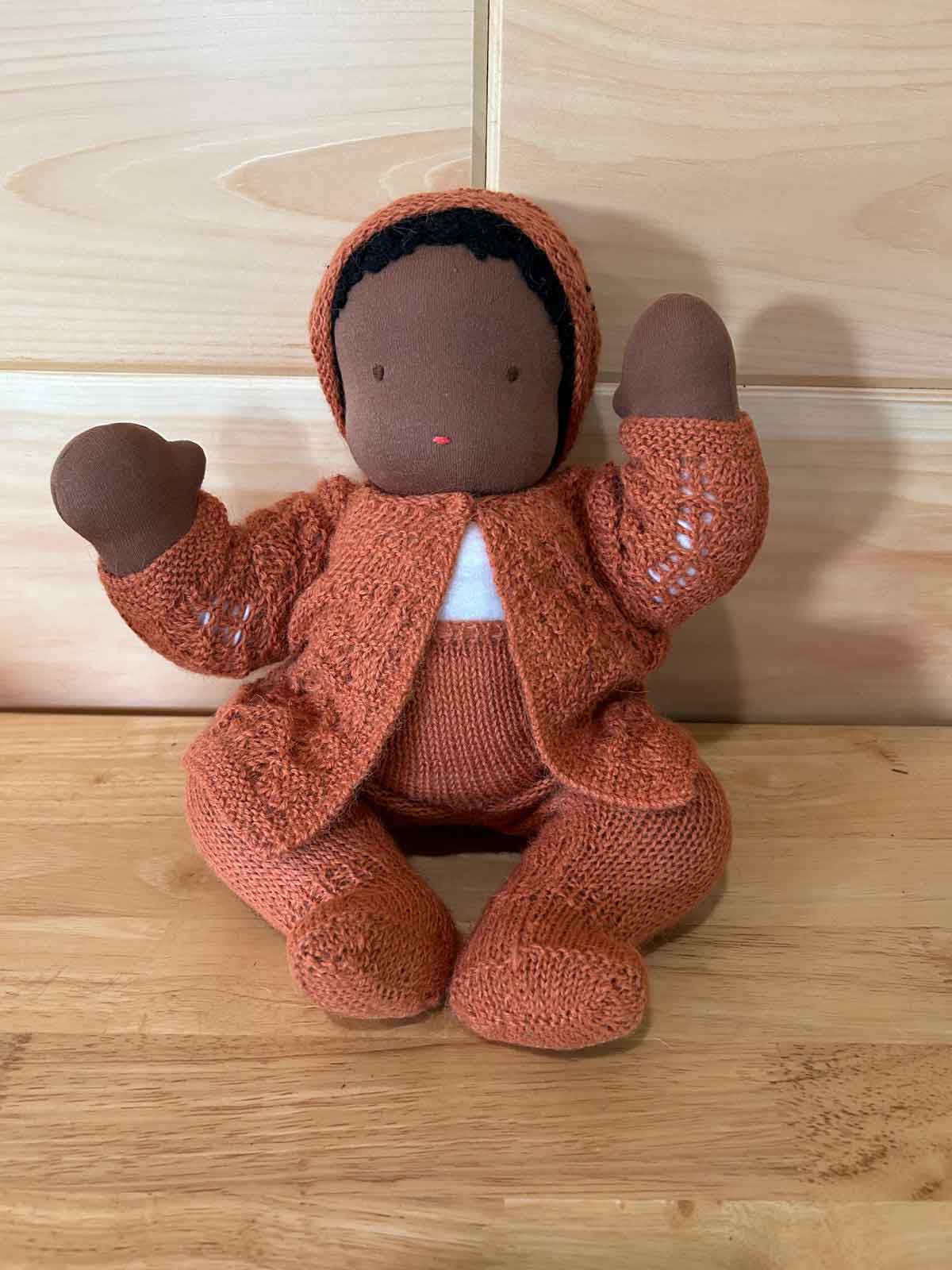
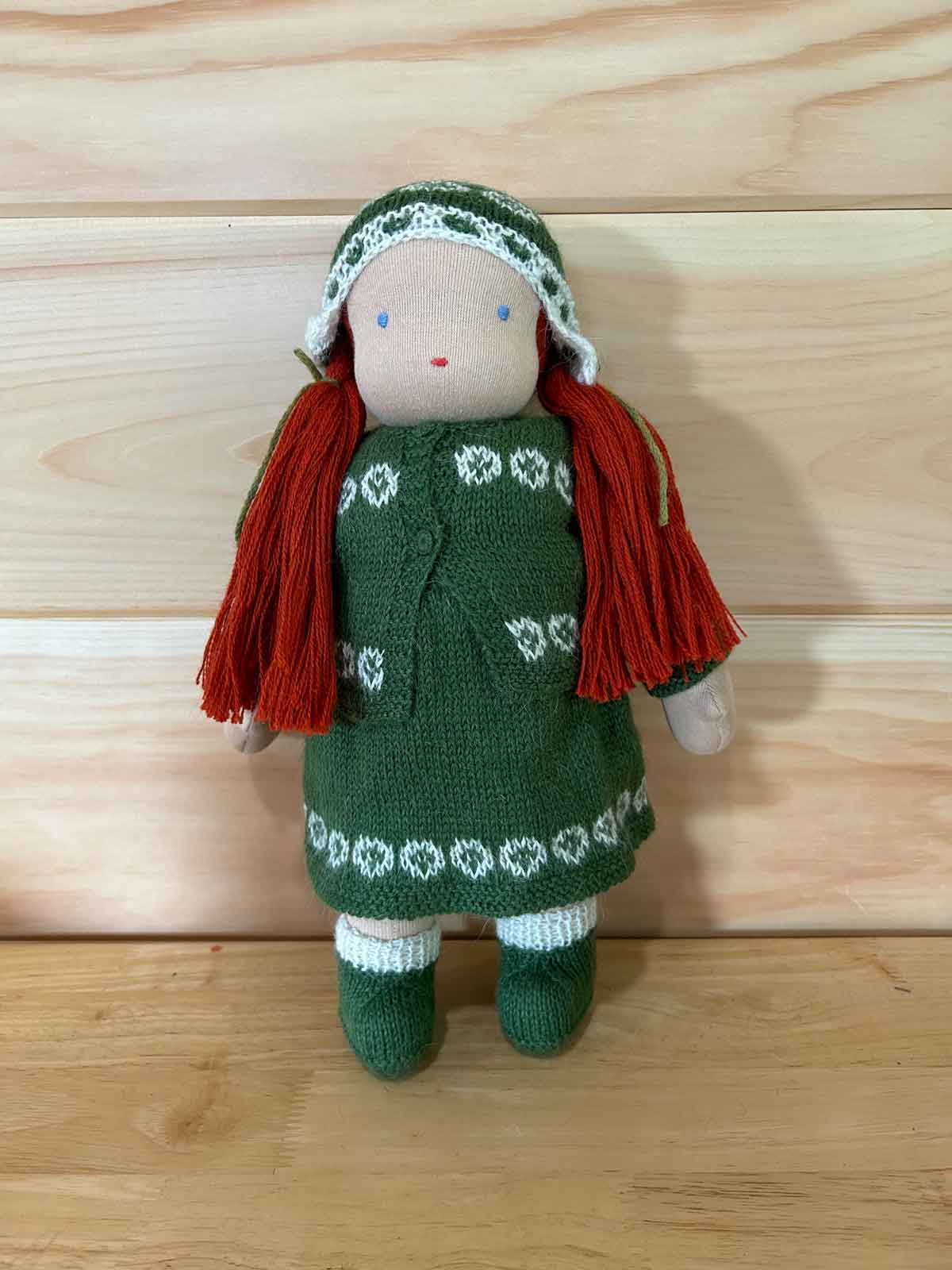
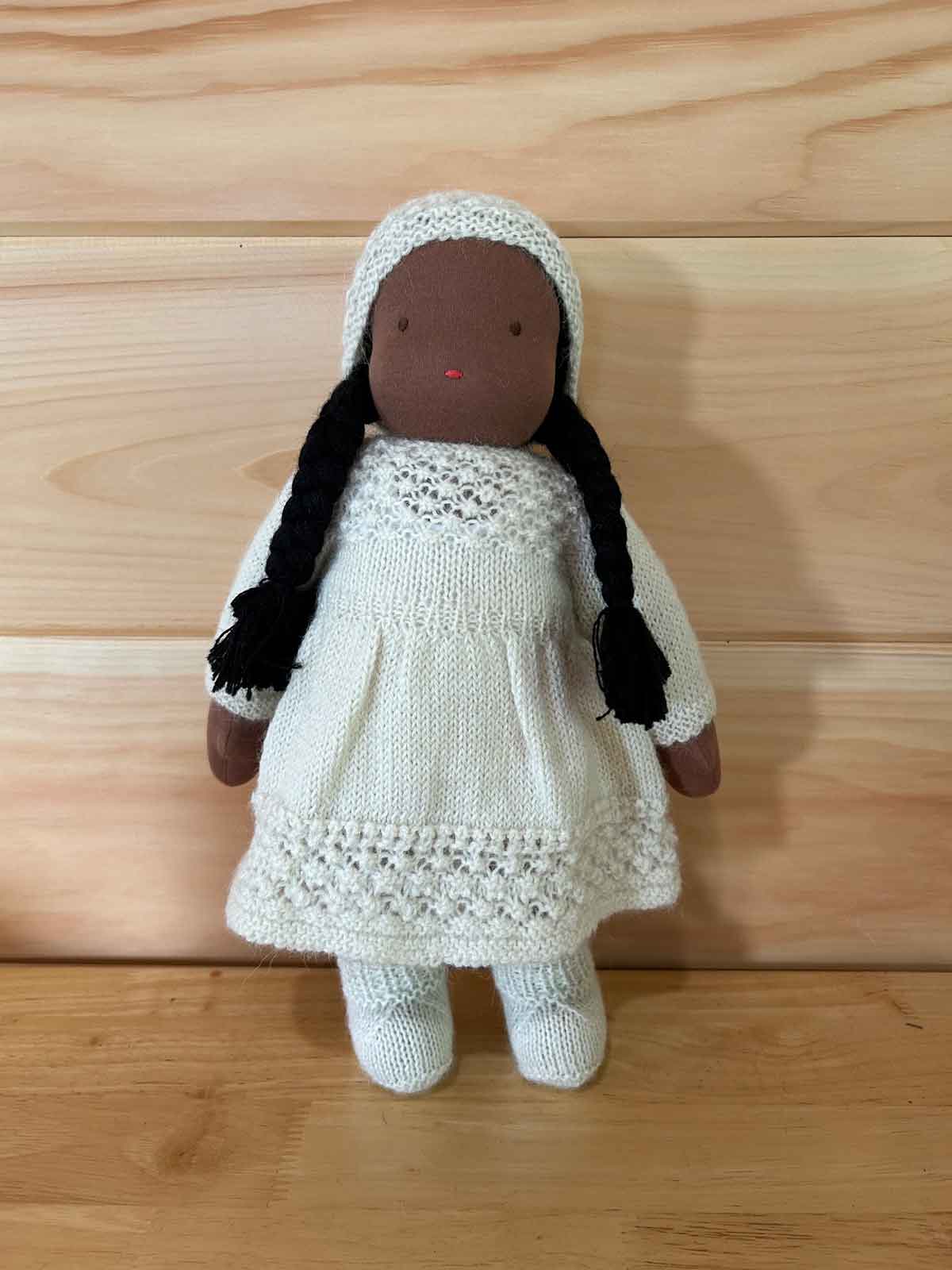
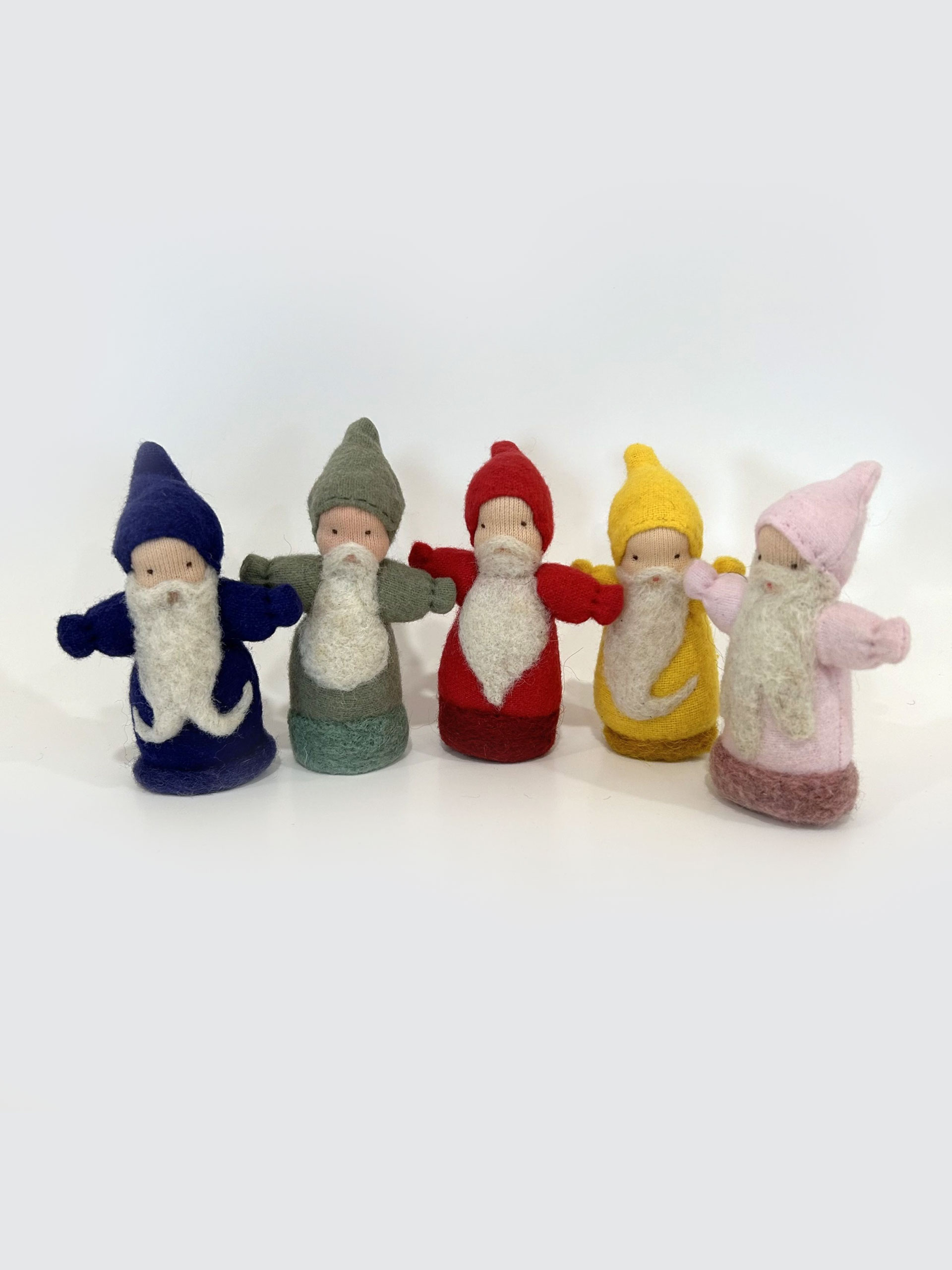
What is special about the Q’ewar Waldorf Doll?
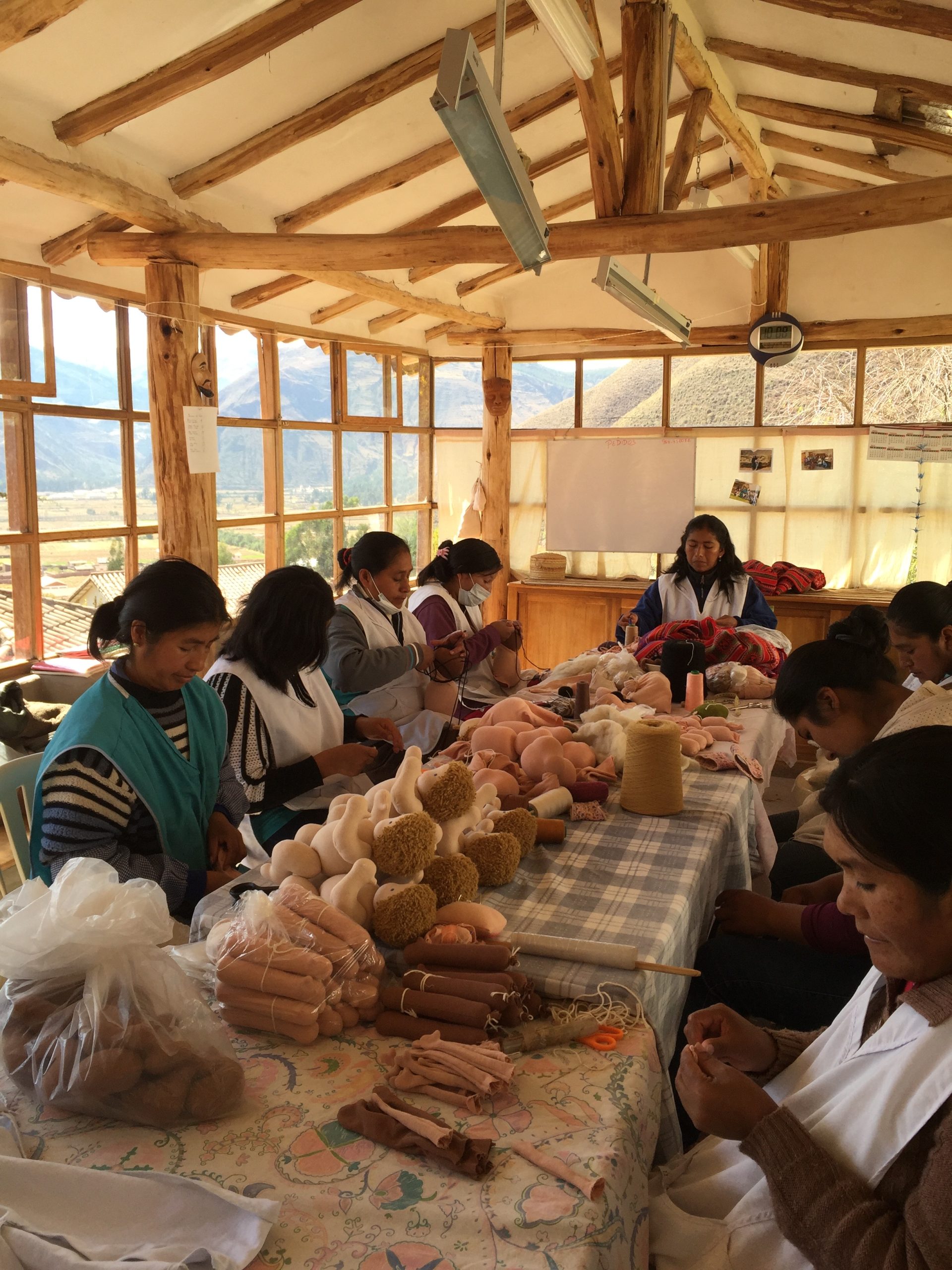
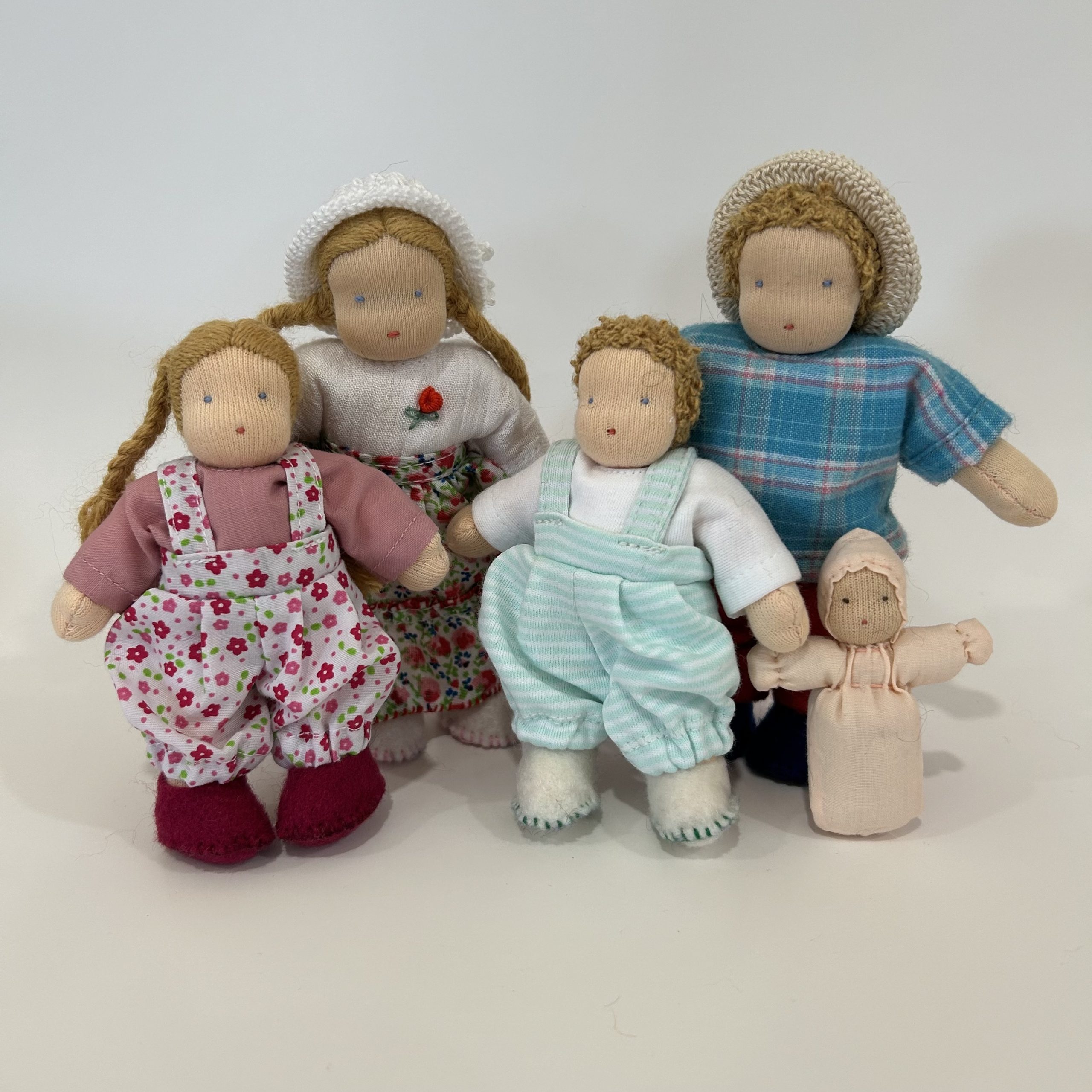
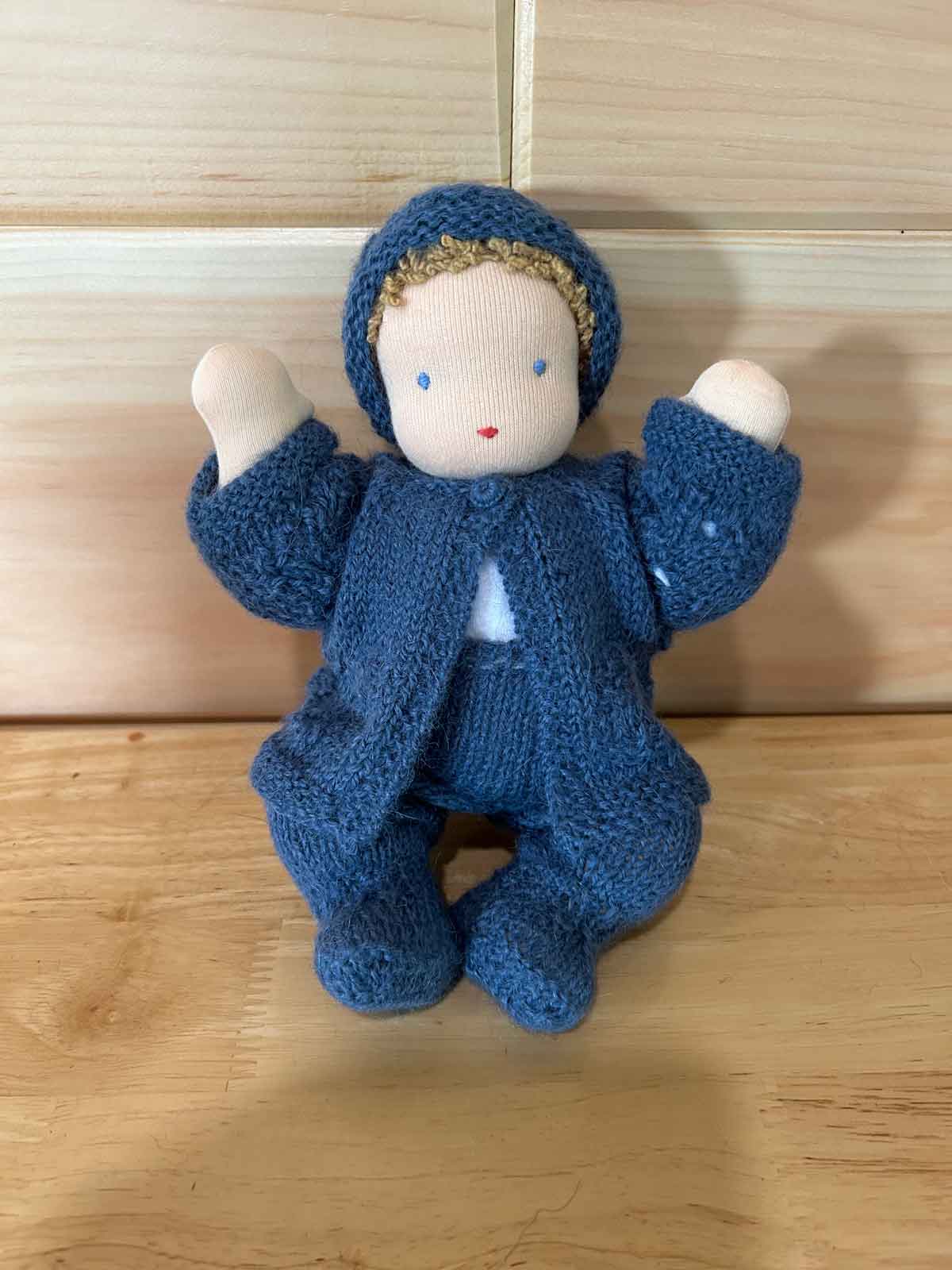
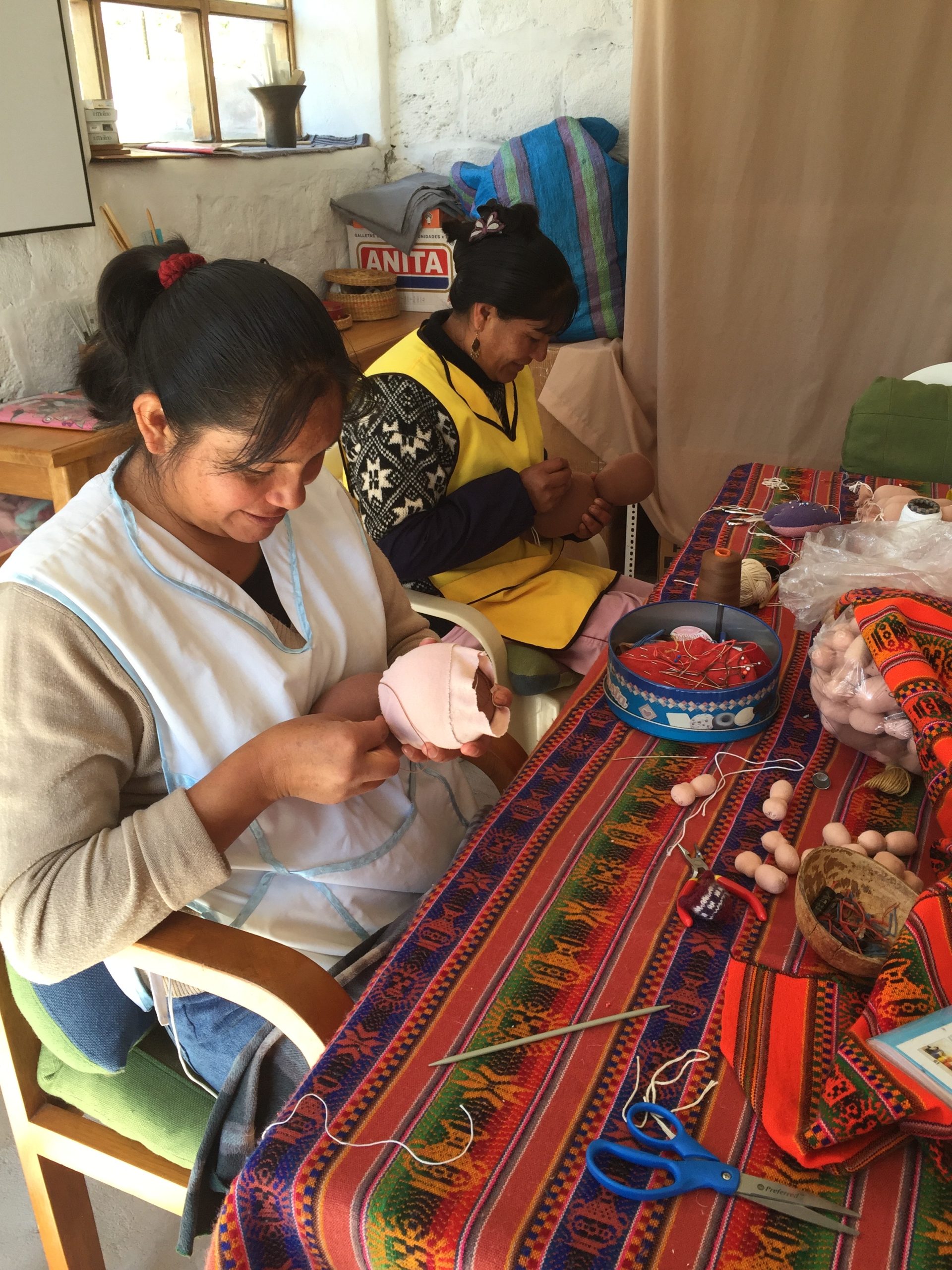
The Q’ewar Waldorf dolls are individually handmade by indigenous women of the project using only the highest quality natural, organic, sustainable materials. The hair and clothing are made from the world’s finest fibers such baby alpaca, wool, and organic Pima cotton. Fibers are hand-dyed using local plants and then handspun and hand-knit. These dolls are heirloom quality and made with superior craftsmanship. They are safe for all ages and made according to European standards.
Why Waldorf?
Why Alpaca?
Doll clothing and doll hair is made from baby alpaca wool. The ancient Incas called alpaca “the fiber of the gods” because it is softer than cashmere, warmer and softer than sheep’s wool, and is hypoallergenic as it doesn’t contain lanolin. It also repels water and additionally has antibacterial properties. Wash the clothing by hand with a mild detergent and lay flat to dry. The doll, with its pima cotton body and sheep wool interior, can be spot cleaned with mild soap and air dried.
What is a Waldorf doll?
A Waldorf doll is a handmade doll designed to support imagination, emotional development, and open-ended play. Unlike mass-produced plastic toys, Waldorf dolls are intentionally simple, made from natural materials and allow children to project their own feelings and stories onto them.
Why do Waldorf dolls have simple faces?
Waldorf dolls have minimal facial features so children can imagine different emotions. A neutral expression allows the doll to be happy, sad, or calm depending on the child’s experience and creativity. They are softer, simpler, and more emotionally engaging than plastic dolls with fixed expressions.
Are Waldorf dolls better for child development?
Many parents and educators believe Waldorf dolls encourage creativity, empathy, and emotional growth. Their simplicity helps children engage more deeply in imaginative and nurturing play.
What age are Waldorf dolls best for?
Waldorf dolls are suitable for children of all ages, but simpler dolls like the Bebe style are especially ideal for toddlers, while more detailed dolls like the Village style appeal to older children.
Craftsmanship & Materials
Are these Waldorf dolls handmade?
Yes. Every doll is individually handcrafted by the women of the Q’ewar Project in Andahuaylillas, Peru, making each one unique in expression, shape, and character. The women of the Project use traditional techniques passed down through generations.
What materials are used in Waldorf dolls?
Our Waldorf dolls are made from natural materials such as certified organic pima cotton fabric, 100% sheep wool roving, and 100% pure alpaca hair and clothing. These superior natural fibers are soft and comforting. In addition the women enjoy artistic freedom and are able to choose the colorful fibers and embellish the dolls in their own creative style. The color harmonies and textures offer a soothing sensory experience for both the doll maker and the recipient of the doll.
What makes these dolls heirloom quality?
Their handmade construction, durability and timeless design allow them to be cherished for years. The materials are also certified organic and non-toxic to the highest European standard (which are incidentally more protective than US standards).
History & Story
What is the Q’ewar Project?
The Q’ewar project is a social work initiative started in 2002 by Julio Herrera and Lucy Terrazas. Julio was a former Waldorf art teacher in Lima and Lucy studied law and worked for the district helping battered and abused women. Frustrated by the public system, and devoted to Anthroposophy, they initiated a unique healing artistic social project with women who were often homeless and suffering from domestic violence and alcoholism. In the shelter of the Q’ewar community the women are trained by an expert knitting teacher Sonora Charro and become highly qualified in their craft. This provides them with skills that will serve them in the future should they need to re-locate their family.
How do these dolls support artisans and families?
Each purchase directly supports the makers by providing full and fair income and helping sustain their traditional craft and community. The Project additionally supports the women’s families by providing a community center, bathrooms, solar heated showers, a bakery, organic gardens, an orchard, and bee hives. All children of the doll makers have the option to attend the on-site Waldorf Nursery school called Wawa Munakuy (meaning “giving love to the children” in the Quechua language). Micro-loans are offered to match the support needed by families that want to improve their infrastructure.
Product Types
What is the difference between Bebe and Village dolls?
Bebe dolls are simpler with minimal features, short hair that cannot be braided or styled, and bent arms and legs much like a baby. Village dolls are slightly more detailed, with hair that can be braided, clothing that is detailed and straight arms and legs. The Bebe doll may be ideal for younger children and the Village doll may represent older childlike figures.
What size Waldorf doll should I choose?
Larger dolls (15”) are huggable, immersive and great for full nurturing play, while smaller dolls (9” or 5.5”) are compact and ideal for travel, younger children, or simple companionship.
What are small Waldorf dolls (gnomes, angels, rainbow babies)?
These are smaller, simple companions often used for storytelling and seasonal displays.
Custom Orders
How do I buy a Waldorf doll from your site?
When you place an order we pull from the available dolls on hand. You can also contact us directly to learn more about what we have in stock, and request a specific type or style.
Can I choose a specific doll or face?
Because each doll is handmade, exact selection may vary. You can contact us to request preferences and discuss available options. We are happy to facetime with you and show you what is available. Contact us here with questions.
Do you offer custom Waldorf dolls?
Custom requests may be possible depending on availability. Contact us to discuss what you’re looking for.
Pricing & Value
Why are Waldorf dolls more expensive than other dolls?
They are handmade, ethically produced, and made with natural materials—unlike mass-produced plastic toys.
What is included in the price?
The price reflects craftsmanship, materials, fair labor, and the uniqueness of each doll.
Are these dolls worth the investment?
Many families consider them heirloom items that provide lasting emotional and developmental value.
Shipping & Inventory
Do you keep inventory or make dolls to order?
A small inventory is kept, with additional dolls arriving periodically from artisans.
How long does it take to receive a doll?
Shipping times vary depending on availability. Orders are fulfilled promptly from existing inventory.
Do you ship within the United States?
Yes, shipping is available within the U.S.
Care
How do I care for a Waldorf doll?
Spot cleaning with mild soap and air drying is recommended to maintain the doll’s quality and longevity. The alpaca clothing can be hand washed with gentle detergent and placed in a flat place to dry.
How long do Waldorf dolls last?
With proper care, they can last for many years and often become cherished keepsakes.
Gifting
Are Waldorf dolls good gifts?
Yes. They are meaningful, unique gifts that support imaginative play and emotional connection.
Why do parents choose Waldorf dolls over plastic toys?
Parents value their simplicity, natural materials, and ability to encourage creativity and emotional development.